Eastern Red Cedar Tree Seeds (Juniperus virginiana) 25+Seeds
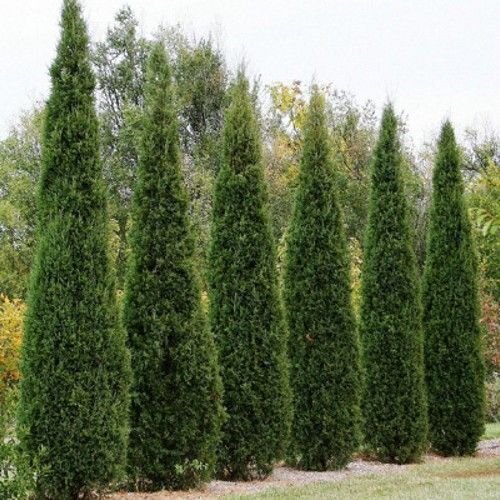
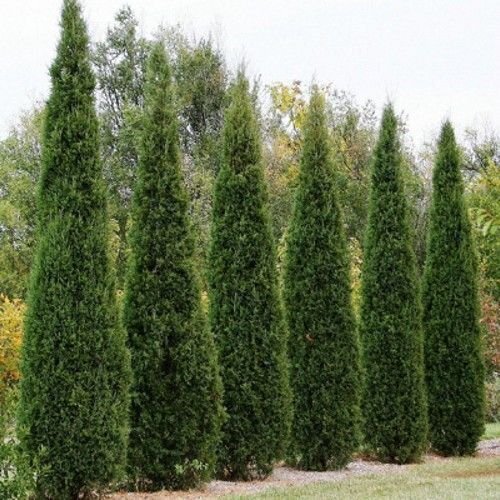
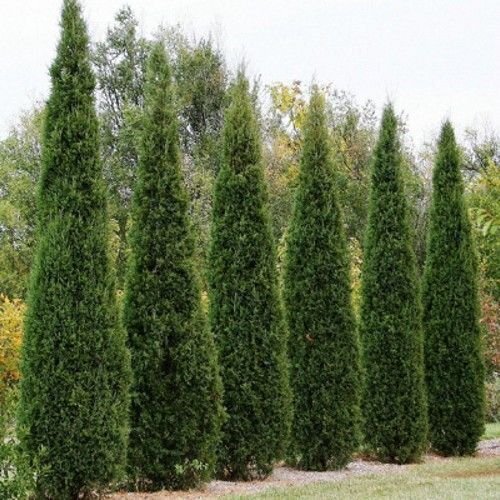
Juniperus virginiana, commonly called Eastern red cedar, is native to Missouri where it typically occurs on limestone bluffs and glades, wood margins, fields, pastures and fence rows throughout the state except for the southeastern lowlands (Steyermark). It is a broadly conical, sometimes columnar, dense, evergreen conifer with horizontal branching that typically grows to 30-65� tall. Gray to reddish-brown bark exfoliates in thin shreddy strips on mature trees. Trunks are often fluted at the base. Heartwood is light brown and aromatic, and is commonly used for cedar chests. Dark blue green scale-like foliage. Foliage may turn brown-green in winter. Cultivars of this species often retain better foliage color in winter. This is a dioecious species (separate male and female trees). Female trees produce round, gray to blackish-green berry-like cones (1/4� diameter) that ripen in fall the first year. Berry-like cones are attractive to many birds. Listing and template services provided by inkFrog
Specifications
| All Returns Accepted | ReturnsNotAccepted |
| Brand | underthesunseeds |
| Color | Red |
| Type | Tree Seeds |
Juniperus virginiana, commonly called Eastern red cedar, is native to Missouri where it typically occurs on limestone bluffs and glades, wood margins, fields, pastures and fence rows throughout the state except for the southeastern lowlands (Steyermark). It is a broadly conical, sometimes columnar, dense, evergreen conifer with horizontal branching that typically grows to 30-65� tall. Gray to reddish-brown bark exfoliates in thin shreddy strips on mature trees. Trunks are often fluted at the base. Heartwood is light brown and aromatic, and is commonly used for cedar chests. Dark blue green scale-like foliage. Foliage may turn brown-green in winter. Cultivars of this species often retain better foliage color in winter. This is a dioecious species (separate male and female trees). Female trees produce round, gray to blackish-green berry-like cones (1/4� diameter) that ripen in fall the first year. Berry-like cones are attractive to many birds. Listing and template services provided by inkFrog
Related Items