
Vaccinium membranaceum | Thinleaf Huckleberry | 20 Seeds
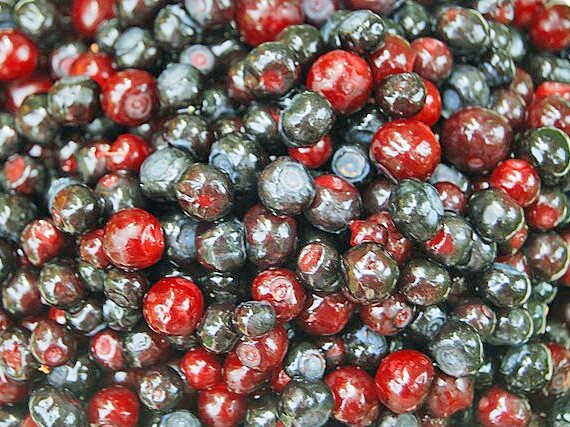
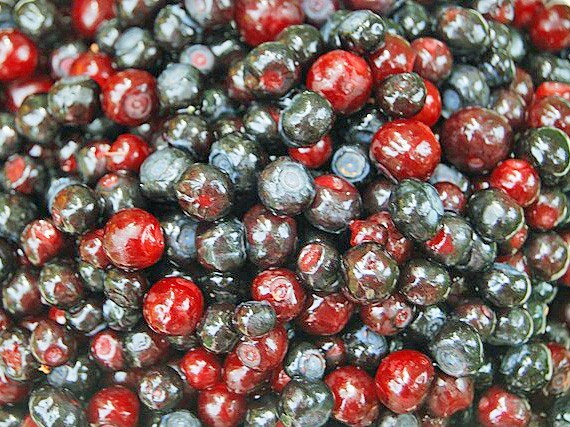
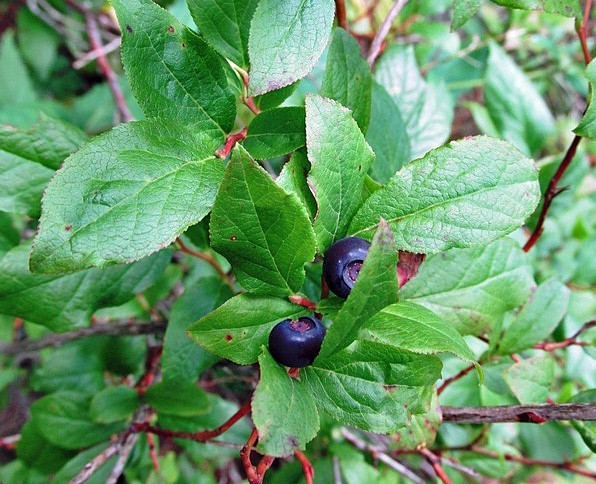
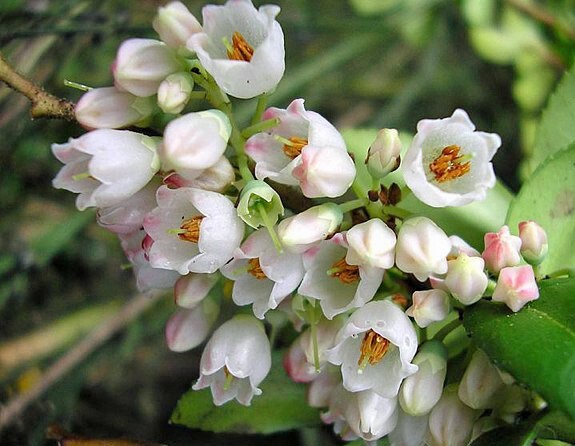
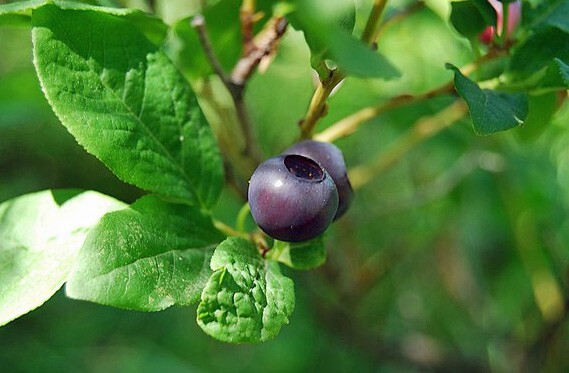
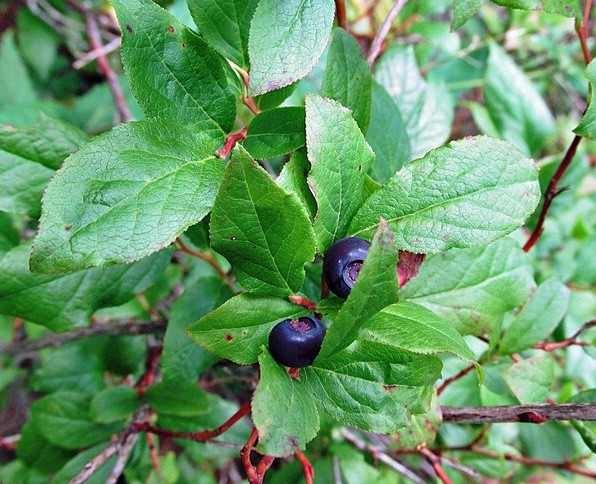
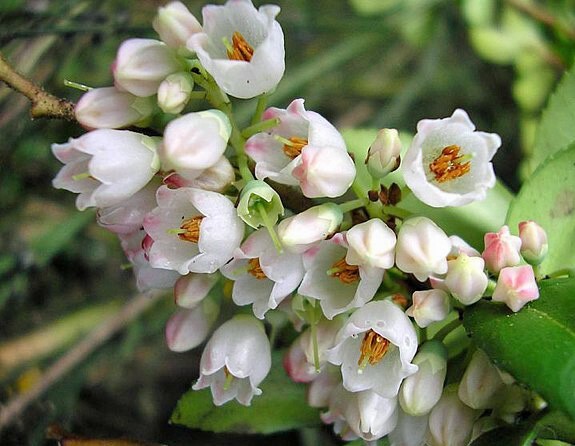
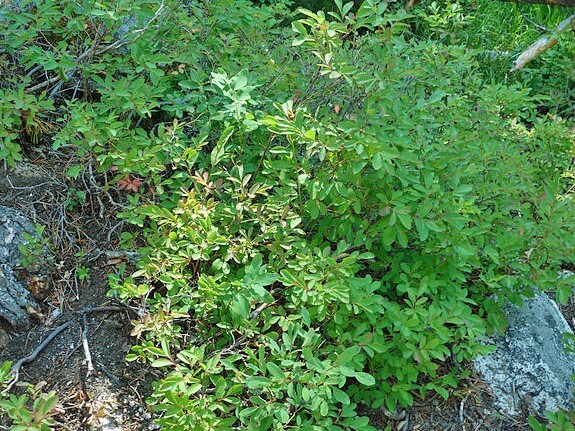
Vaccinium membranaceum, commonly known as the thinleaf huckleberry or tall huckleberry, is a deciduous shrub native to the mountainous regions of western North America. This plant typically grows between 1 to 2 meters in height and features simple, oval-shaped leaves with finely serrated edges that turn red or orange in the fall. Its bell-shaped flowers, which bloom from late spring to early summer, are pale pink to white and give way to small, dark purple to black berries. These berries are highly valued for their sweet-tart flavor and are rich in antioxidants. Black huckleberries thrive in well-drained, acidic soils and are commonly found in coniferous forests, clearings, and at higher elevations. The plant is not only an important food source for wildlife, including bears and birds, but also has cultural significance for Indigenous peoples who have used the berries for food for generations. Zones 4-9 Germination Germinating seeds of Vaccinium membranaceum, the tall huckleberry, requires specific conditions to mimic the plant's natural habitat and encourage successful growth. The seeds benefit from cold stratification, a process that simulates winter conditions to break dormancy. This can be achieved by placing the seeds in a moist medium, such as sand or peat moss, and storing them in a refrigerator at temperatures between 1-5°C (34-41°F) for about 3 to 4 months. After stratification, the seeds should be sown on the surface of a well-draining, acidic soil mix and lightly covered, as they require light for germination. Maintaining a consistent temperature around 20-25°C (68-77°F) and high humidity levels is crucial during the germination period. It's essential to keep the soil moist but not waterlogged. Germination can be slow and irregular, often taking several weeks to months. Patience and careful attention to the specific needs of the seeds are key to successfully cultivating black huckleberry from seed.
Specifications
| Return Shipping Will Be Paid By | Buyer |
| All Returns Accepted | Returns Accepted |
| Item Must Be Returned Within | 30 Days |
| Refund Will Be Given As | Money Back |
| Climate | Marine West Coast |
| Planting Time | 6 Weeks |
| Common Name | Thinleaf Huckleberry |
| Indoor/Outdoor | Indoor & Outdoor |
| Color | Black |
| Growth Habit | Climbing |
| Soil Type | Clay |
| Brand | Unbranded |
| Season Of Interest | Fall |
| Soil PH | Neutral |
| Type | Fruit Seeds |
| Life Cycle | Perennial |
| Watering | Medium |
| Genus | Vaccinium |
| Sunlight | Full Sun |
| Features | Cold Resistant |
| Cultivating Difficulty | Easy |
| Country/Region Of Manufacture | United States |
Vaccinium membranaceum, commonly known as the thinleaf huckleberry or tall huckleberry, is a deciduous shrub native to the mountainous regions of western North America. This plant typically grows between 1 to 2 meters in height and features simple, oval-shaped leaves with finely serrated edges that turn red or orange in the fall. Its bell-shaped flowers, which bloom from late spring to early summer, are pale pink to white and give way to small, dark purple to black berries. These berries are highly valued for their sweet-tart flavor and are rich in antioxidants. Black huckleberries thrive in well-drained, acidic soils and are commonly found in coniferous forests, clearings, and at higher elevations. The plant is not only an important food source for wildlife, including bears and birds, but also has cultural significance for Indigenous peoples who have used the berries for food for generations. Zones 4-9 Germination Germinating seeds of Vaccinium membranaceum, the tall huckleberry, requires specific conditions to mimic the plant's natural habitat and encourage successful growth. The seeds benefit from cold stratification, a process that simulates winter conditions to break dormancy. This can be achieved by placing the seeds in a moist medium, such as sand or peat moss, and storing them in a refrigerator at temperatures between 1-5°C (34-41°F) for about 3 to 4 months. After stratification, the seeds should be sown on the surface of a well-draining, acidic soil mix and lightly covered, as they require light for germination. Maintaining a consistent temperature around 20-25°C (68-77°F) and high humidity levels is crucial during the germination period. It's essential to keep the soil moist but not waterlogged. Germination can be slow and irregular, often taking several weeks to months. Patience and careful attention to the specific needs of the seeds are key to successfully cultivating black huckleberry from seed.
Related Items