


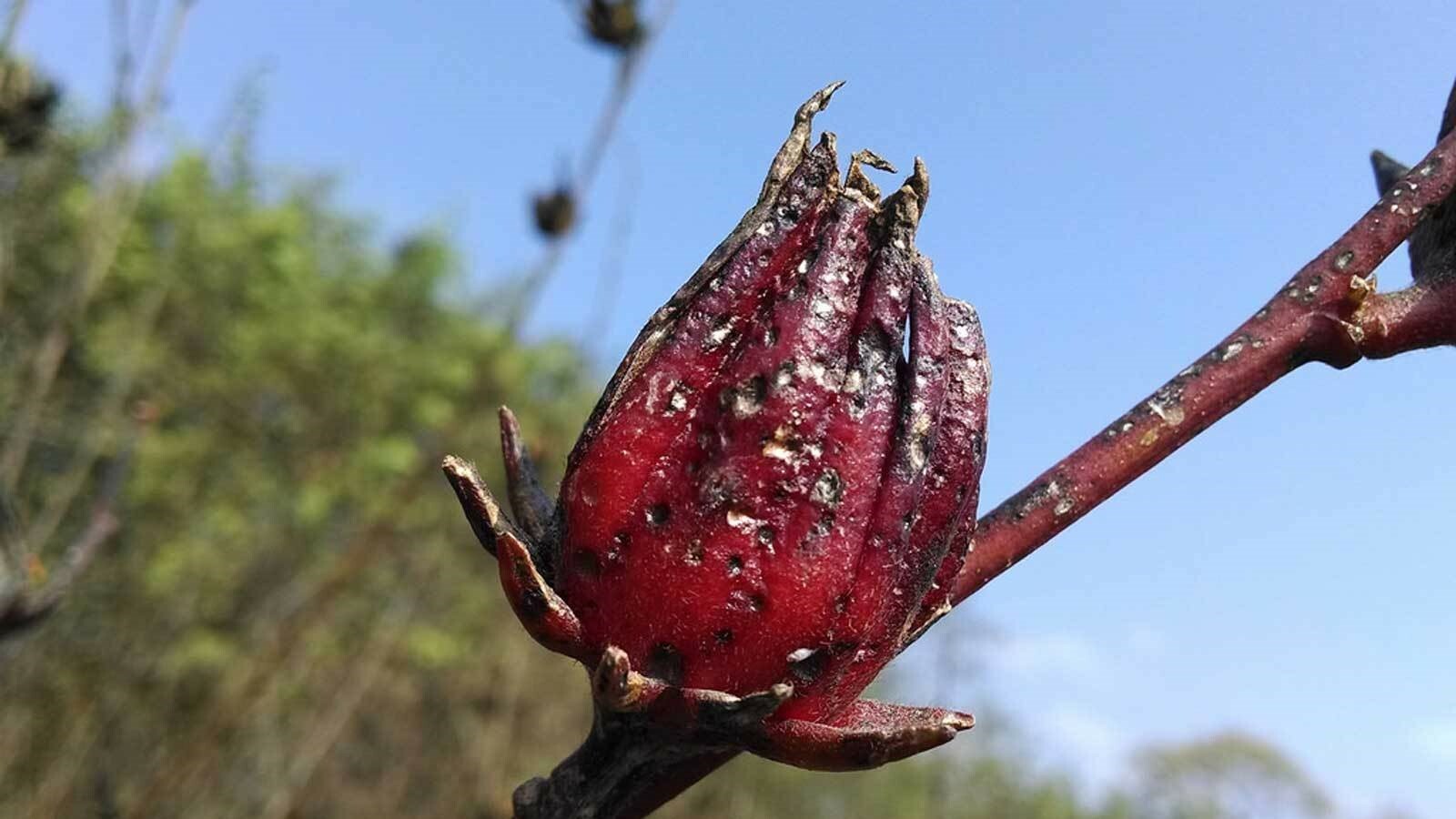
Hibiscus sabdariffa | Roselle | Jamaican Tea | Maple Leaf Hibiscus | 20_Seeds
Here I am offering Seeds from Hibiscus sabdariffa, also known as Roselle, Jamaican Tea, Maple Leaf Hibiscus, Florida Cranberry, October Hibiscus, and Red Sorrell. This is really a quite amazing plant. They collect fibers from the inner bark to make burlap and rope, they use part of the blossom as a food coloring, the Senegalese, Burma, and other peoples use the leaves in their cooking as a spicy spinach, and in the Caribbean among other places they use this plant to make hibiscus drinks and teas. These shrubs can get up to 6 feet high, and must have a place in the full sun. That is at least 6 hours of direct sunlight a day. They bloom in the middle of the Fall and stay strong until early Winter. Hibiscus plants in general are a nectar source for the Cloudless Sulphur, Orbed Sulphur, Disguised Scrub-Hairstreak, Yojoa Scrub-Hairstreak, Dukes Skipper, Large Orange Sulphur, White Angled-Sulphur, Yellow Angled-Sulphur, and Monk butterflies, and larval hosts for the Bumelia Webworm and Pearly Wood-nymph moths, and the Cloudless Sulphur butterfly.USDA Hardiness Zones 9b to 11 Powered by SixBit's eCommerce Solution
Specifications
| Return Shipping Will Be Paid By | Seller |
| All Returns Accepted | Returns Accepted |
| Item Must Be Returned Within | 30 Days |
| Refund Will Be Given As | Money Back |
| Brand | Buy Rare Seeds |
| Type | seeds |
Here I am offering Seeds from Hibiscus sabdariffa, also known as Roselle, Jamaican Tea, Maple Leaf Hibiscus, Florida Cranberry, October Hibiscus, and Red Sorrell. This is really a quite amazing plant. They collect fibers from the inner bark to make burlap and rope, they use part of the blossom as a food coloring, the Senegalese, Burma, and other peoples use the leaves in their cooking as a spicy spinach, and in the Caribbean among other places they use this plant to make hibiscus drinks and teas. These shrubs can get up to 6 feet high, and must have a place in the full sun. That is at least 6 hours of direct sunlight a day. They bloom in the middle of the Fall and stay strong until early Winter. Hibiscus plants in general are a nectar source for the Cloudless Sulphur, Orbed Sulphur, Disguised Scrub-Hairstreak, Yojoa Scrub-Hairstreak, Dukes Skipper, Large Orange Sulphur, White Angled-Sulphur, Yellow Angled-Sulphur, and Monk butterflies, and larval hosts for the Bumelia Webworm and Pearly Wood-nymph moths, and the Cloudless Sulphur butterfly.USDA Hardiness Zones 9b to 11 Powered by SixBit's eCommerce Solution
Related Items


