


Hibiscus sabdariffa Seeds, Red Roselle BULK SEED SIZE, Certified Organic Non-GMO
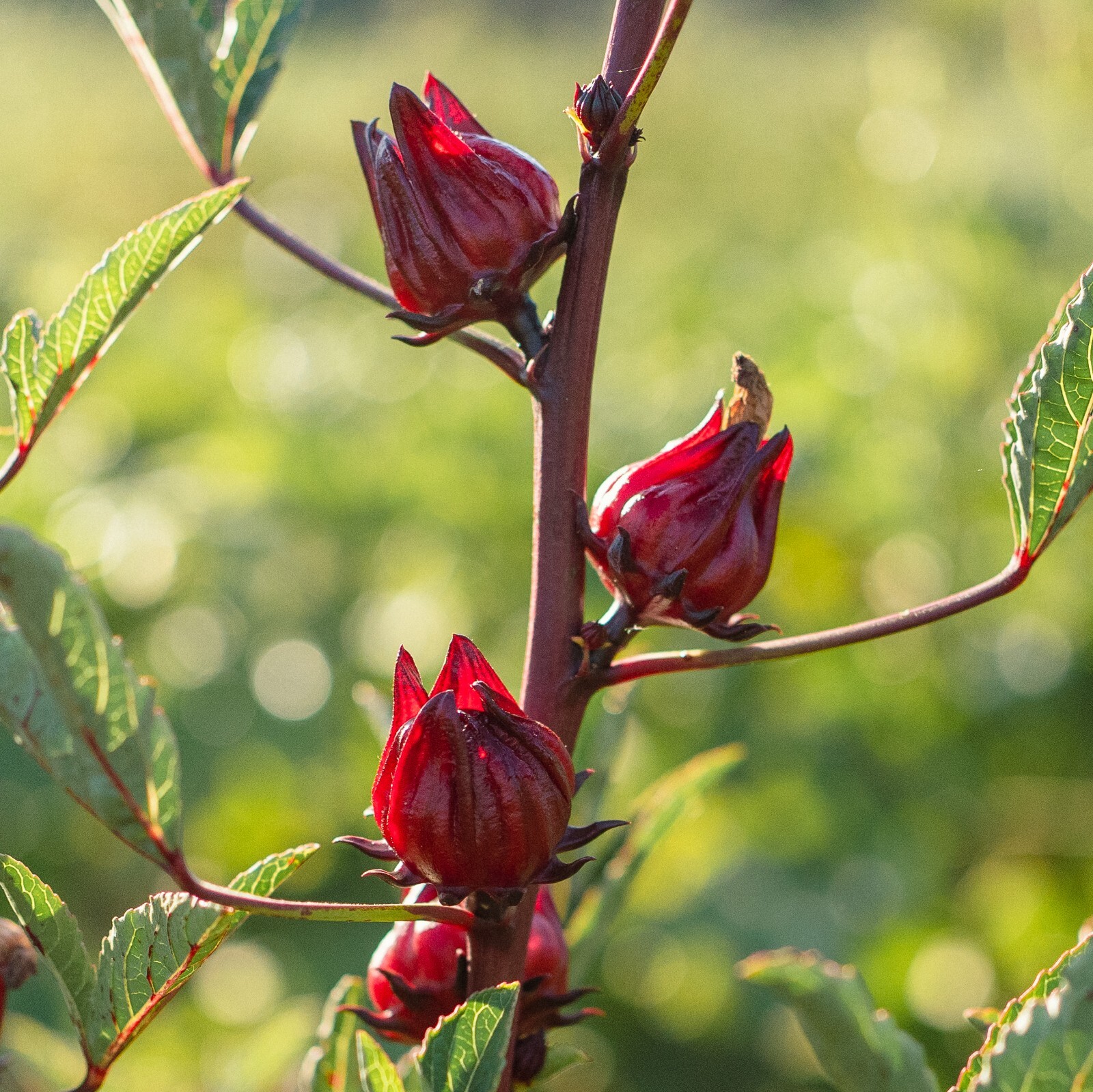
Hibiscus sabdariffa var. sabdariffa - also known as roselle, rozelle, sorrel, red sorrel, Jamaica sorrel, Indian sorrel, Guinea sorrel, sour-sour, Queensland jelly plant, jelly okra, lemon bush, and Florida cranberry - is a subtropical shrub in the mallow family. While the pale pink flowers are gorgeous in their own right, the fleshy red that form afterward are what is most typically dried for tea and used as food. Leaves are also edible and have a lemony flavor. This plant has an otherworldly appearance and is a real joy to grow. It goes without saying that the homegrown calyces are far superior to anything that can be found in the marketplace, but these seem especially more floral and fruity. Makes a great addition to lemonade or a bioregional substitute for cranberries. Plants are perennial but grown as annuals in most temperate climates. Seeds are certified organic.
Specifications
| Return Shipping Will Be Paid By | Buyer |
| All Returns Accepted | Returns Accepted |
| Item Must Be Returned Within | 30 Days |
| Refund Will Be Given As | Money Back |
| Climate | Arid |
| Planting Time | 100-120 days |
| Common Name | Hibiscus |
| Indoor/Outdoor | Outdoor |
| Color | Green |
| Growth Habit | Mat-Forming |
| Soil Type | Clay |
| Brand | Plant Good Seed |
| Season Of Interest | Spring |
| Soil PH | Neutral |
| Life Cycle | Perennial |
| Type | Flower Seeds |
| Watering | Medium |
| Genus | Hibiscus |
| Sunlight | Full Sun |
| Features | Cross-Pollinating |
| Cultivating Difficulty | Moderate |
| Country/Region Of Manufacture | United States |
Hibiscus sabdariffa var. sabdariffa - also known as roselle, rozelle, sorrel, red sorrel, Jamaica sorrel, Indian sorrel, Guinea sorrel, sour-sour, Queensland jelly plant, jelly okra, lemon bush, and Florida cranberry - is a subtropical shrub in the mallow family. While the pale pink flowers are gorgeous in their own right, the fleshy red that form afterward are what is most typically dried for tea and used as food. Leaves are also edible and have a lemony flavor. This plant has an otherworldly appearance and is a real joy to grow. It goes without saying that the homegrown calyces are far superior to anything that can be found in the marketplace, but these seem especially more floral and fruity. Makes a great addition to lemonade or a bioregional substitute for cranberries. Plants are perennial but grown as annuals in most temperate climates. Seeds are certified organic.
Related Items


