


Giant Round Gourd Seeds | Calabash Gourd Seeds | Non-GMO, High Yield, Organic
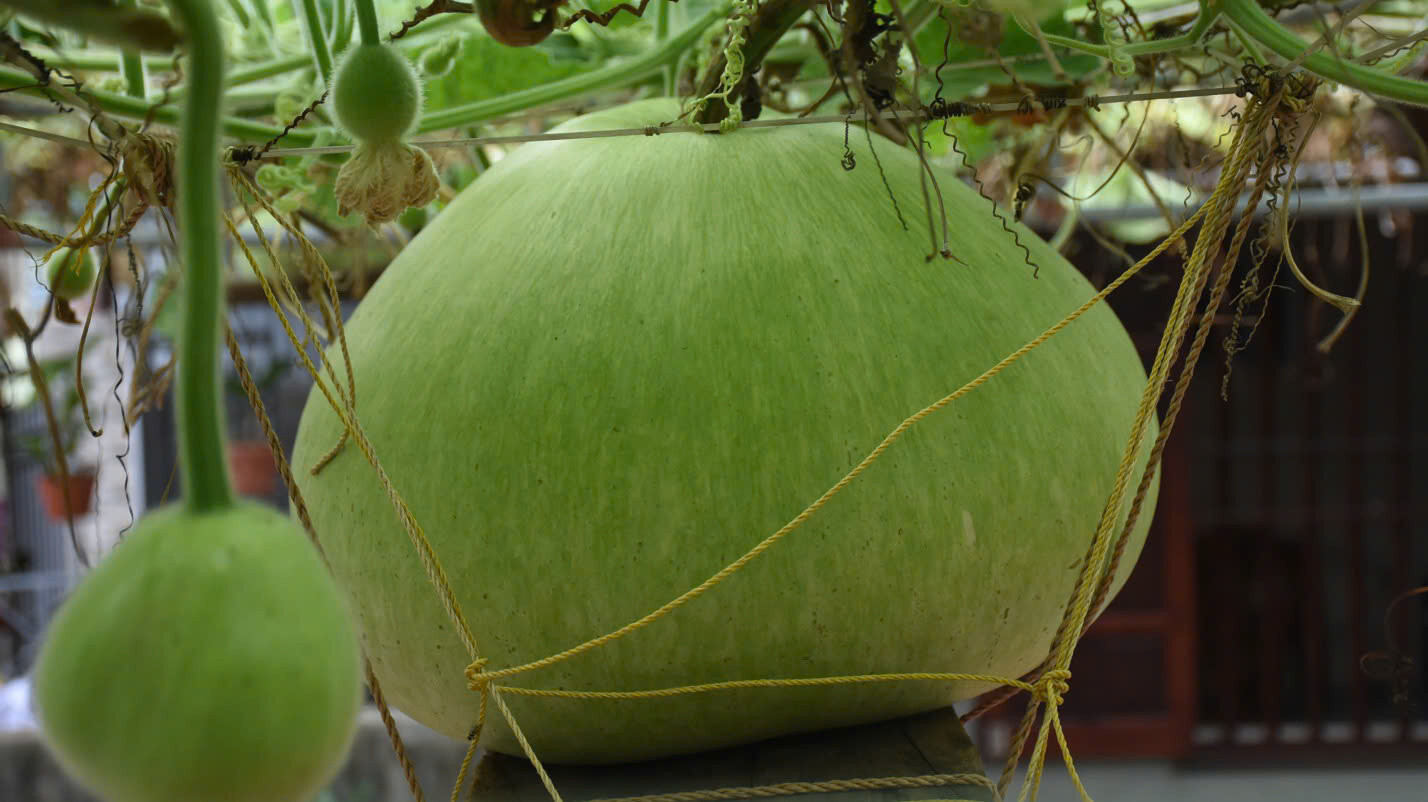
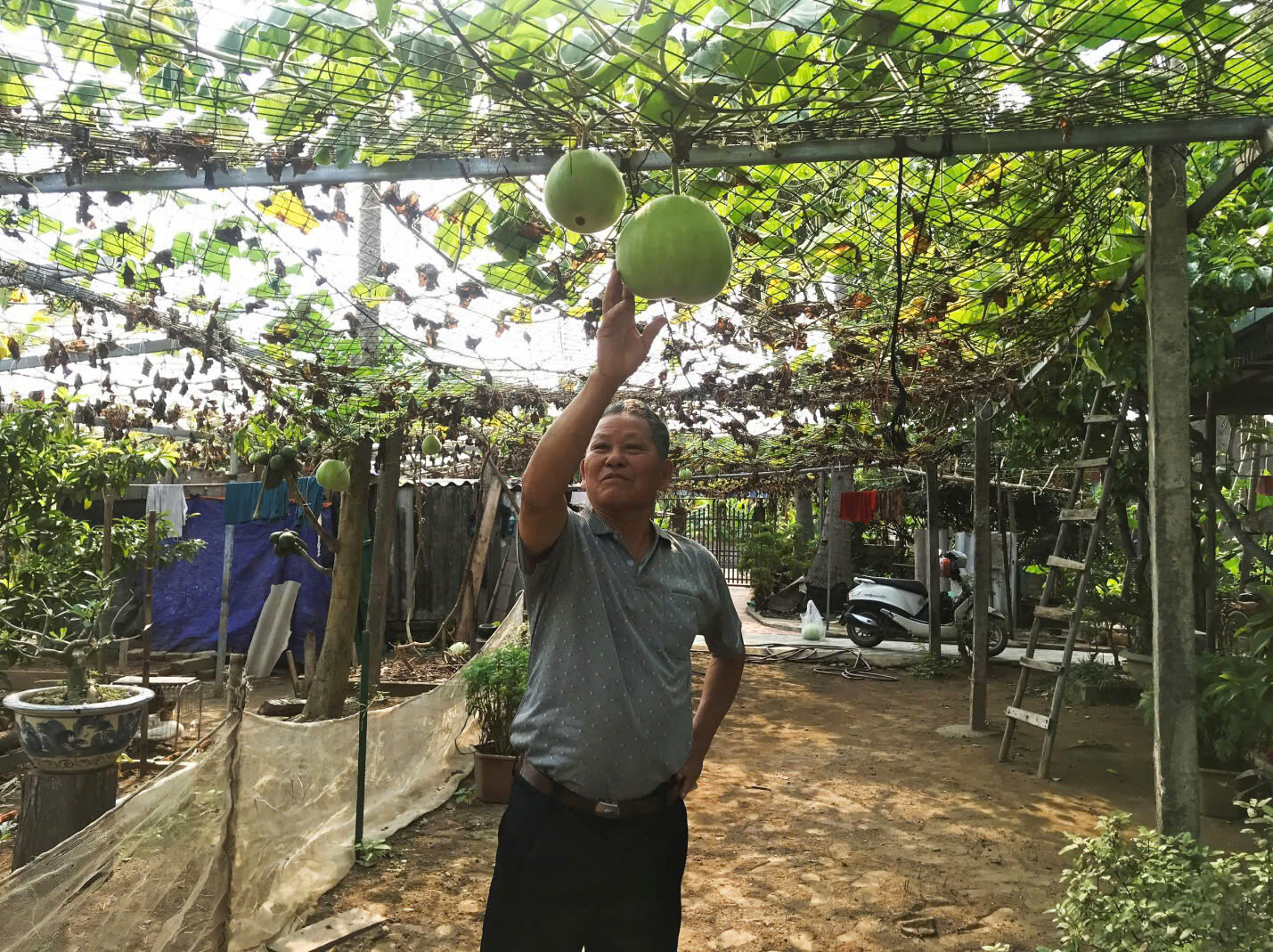
**Shipping Information** 1. For orders under $15, we use a mailing envelope (without a tracking number) with an estimated delivery time of 5-15 days. If you prefer a tracking number, you can choose either the $4.5 shipping for 3-5 days or the $60 expedited shipping service for 2-3 days during the checkout process. 2. Orders exceeding $15 are dispatched via USPS Ground (3-5 days) and include a tracking number at no additional shipping fee. Giant Round Gourd (Calabash Gourd) | Lagenaria siceraria - Non-GMO Seeds The Giant Round Gourd, also known as Calabash Gourd (Lagenaria siceraria), is a versatile plant cultivated for its large, rounded fruits. This ancient species has been grown for thousands of years for both ornamental and culinary purposes. The gourds can be used for crafting (as bowls, containers, or musical instruments) once dried, or harvested young for delicious, tender vegetables in soups and stir-fries. How to Grow Giant Round Gourd from Seeds: Soil Preparation:Choose a sunny location with well-draining soil. The soil should be rich in organic matter, so mix in compost or well-rotted manure before planting. Seed Sowing:Sow seeds directly into the garden after the last frost when the soil temperature is above 65°F (18°C). If starting indoors, plant seeds in pots about 4 weeks before transplanting outside.Plant the seeds about 1 inch (2.5 cm) deep, spaced 12-18 inches apart. Keep rows 4-5 feet apart to allow room for the vines to spread. Watering & Care:Water consistently, keeping the soil moist but not waterlogged. Mulch around the plants to retain moisture and reduce weeds.Once the vines start growing, consider using trellises or support to keep the fruits off the ground for better shape and air circulation. Fertilization:Fertilize the plants every 2-3 weeks with a balanced fertilizer, especially when the plants begin to flower and produce fruit. Harvesting:Harvest young fruits for cooking when they are tender and about 6-8 inches in diameter. For crafting, allow the gourds to fully mature and dry on the vine.
Specifications
| Return Shipping Will Be Paid By | Buyer |
| All Returns Accepted | Returns Accepted |
| Item Must Be Returned Within | 30 Days |
| Refund Will Be Given As | Money Back |
| Planting Time | 8 Weeks |
| Common Name | Gourd |
| Indoor/Outdoor | Outdoor |
| Color | Green |
| Growth Habit | Climbing |
| Brand | Mai's Family |
| Season Of Interest | Fall |
| Soil PH | Neutral |
| Type | Vegetable Seeds |
| Life Cycle | Annual |
| Watering | Medium |
| Genus | Lagenaria siceraria |
| Sunlight | Full Sun |
| Features | Edible |
| Cultivating Difficulty | Easy |
| Country/Region Of Manufacture | Vietnam |
**Shipping Information** 1. For orders under $15, we use a mailing envelope (without a tracking number) with an estimated delivery time of 5-15 days. If you prefer a tracking number, you can choose either the $4.5 shipping for 3-5 days or the $60 expedited shipping service for 2-3 days during the checkout process. 2. Orders exceeding $15 are dispatched via USPS Ground (3-5 days) and include a tracking number at no additional shipping fee. Giant Round Gourd (Calabash Gourd) | Lagenaria siceraria - Non-GMO Seeds The Giant Round Gourd, also known as Calabash Gourd (Lagenaria siceraria), is a versatile plant cultivated for its large, rounded fruits. This ancient species has been grown for thousands of years for both ornamental and culinary purposes. The gourds can be used for crafting (as bowls, containers, or musical instruments) once dried, or harvested young for delicious, tender vegetables in soups and stir-fries. How to Grow Giant Round Gourd from Seeds: Soil Preparation:Choose a sunny location with well-draining soil. The soil should be rich in organic matter, so mix in compost or well-rotted manure before planting. Seed Sowing:Sow seeds directly into the garden after the last frost when the soil temperature is above 65°F (18°C). If starting indoors, plant seeds in pots about 4 weeks before transplanting outside.Plant the seeds about 1 inch (2.5 cm) deep, spaced 12-18 inches apart. Keep rows 4-5 feet apart to allow room for the vines to spread. Watering & Care:Water consistently, keeping the soil moist but not waterlogged. Mulch around the plants to retain moisture and reduce weeds.Once the vines start growing, consider using trellises or support to keep the fruits off the ground for better shape and air circulation. Fertilization:Fertilize the plants every 2-3 weeks with a balanced fertilizer, especially when the plants begin to flower and produce fruit. Harvesting:Harvest young fruits for cooking when they are tender and about 6-8 inches in diameter. For crafting, allow the gourds to fully mature and dry on the vine.
Related Items


