Persian Clover Seed
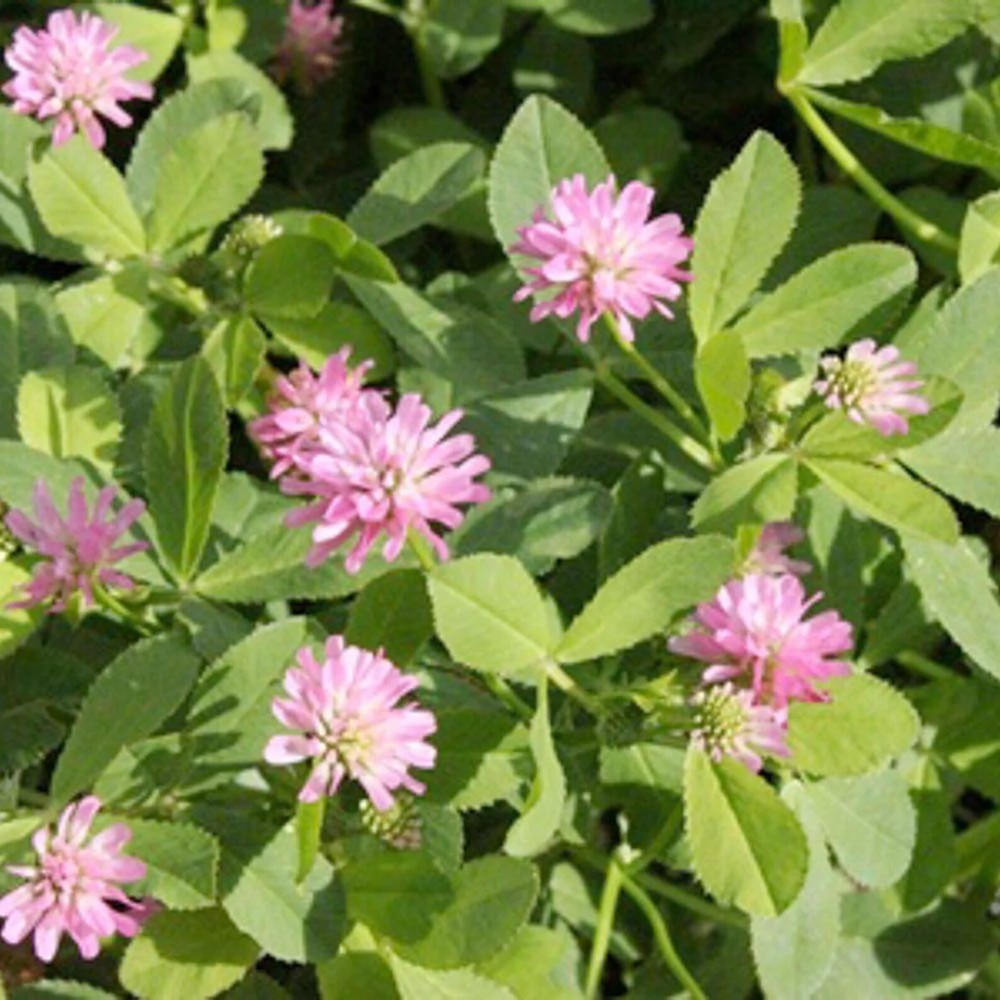
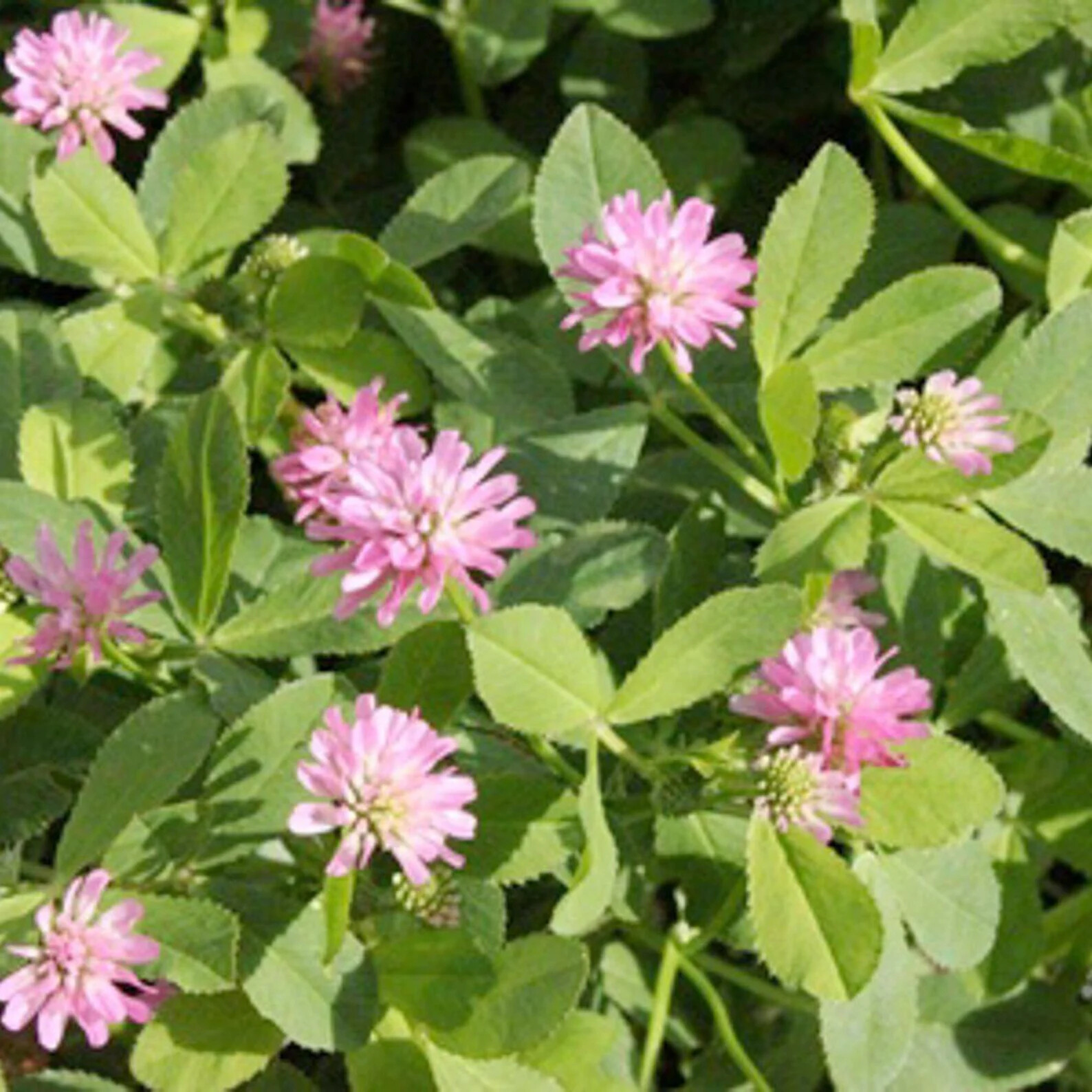
Persian Clover (Trifolium resupinatum) Plant Characteristics: Winter annual with non-hairy, oval leaflets with toothed margins. Small pink flowers that produce olive green to purple seeds.Establishment: Persian clover is adapted to a range of soils from clay loams to heavy clay soils and tolerates poor drainage. Seed should be broadcast at rates of 3 to 5 lb/ac between September and October at 1/4 inch depth. Direct drilling can be a successful sowing method. More adapted to the central and southern part of the state. Persian clover is very sensitive to weed competition. If severe competition is expected, crop for one or two years to reduce weeds before sowing Persian clover. Heavy stocking for a short period is the best means of controlling barnyard grass once Persian clover is firmly anchored.Fertilization: Persian clover requires a pH above 6. Phosphorus should be applied at rates of 10 to 25 lb/ac. These rates need to be adjusted depending on soil P levels as indicated by soil test recommendations.Grazing/Hay Management: Persian could be used for pasture, hay, or green manure. Very productive from March to April with yields of ton/ac. Close grazing is recommended due to the short seasonal growth. The stocking rate should be reduced during flowering to ensure sufficient seed is set for regeneration in the following year. Regrowth after grazing or cutting is excellent. Two spring hay cuts are possible with the later maturing varieties. It can be sown with oats or ryegrass for greater winter production and to reduce the risk of bloat.Forage Quality: Bloat can be a problem in cattle. Sowing Persian clover in a mixture with ryegrass or oats will reduce the risk of bloat. It has a high nutritive value as pasture or hay
Specifications
| Return Shipping Will Be Paid By | Buyer |
| All Returns Accepted | Returns Accepted |
| Item Must Be Returned Within | 30 Days |
| Refund Will Be Given As | Money Back |
| Brand | Seed Ranch |
| Type | Persian Clover Seed |
| Country/Region Of Manufacture | United States |
Persian Clover (Trifolium resupinatum) Plant Characteristics: Winter annual with non-hairy, oval leaflets with toothed margins. Small pink flowers that produce olive green to purple seeds.Establishment: Persian clover is adapted to a range of soils from clay loams to heavy clay soils and tolerates poor drainage. Seed should be broadcast at rates of 3 to 5 lb/ac between September and October at 1/4 inch depth. Direct drilling can be a successful sowing method. More adapted to the central and southern part of the state. Persian clover is very sensitive to weed competition. If severe competition is expected, crop for one or two years to reduce weeds before sowing Persian clover. Heavy stocking for a short period is the best means of controlling barnyard grass once Persian clover is firmly anchored.Fertilization: Persian clover requires a pH above 6. Phosphorus should be applied at rates of 10 to 25 lb/ac. These rates need to be adjusted depending on soil P levels as indicated by soil test recommendations.Grazing/Hay Management: Persian could be used for pasture, hay, or green manure. Very productive from March to April with yields of ton/ac. Close grazing is recommended due to the short seasonal growth. The stocking rate should be reduced during flowering to ensure sufficient seed is set for regeneration in the following year. Regrowth after grazing or cutting is excellent. Two spring hay cuts are possible with the later maturing varieties. It can be sown with oats or ryegrass for greater winter production and to reduce the risk of bloat.Forage Quality: Bloat can be a problem in cattle. Sowing Persian clover in a mixture with ryegrass or oats will reduce the risk of bloat. It has a high nutritive value as pasture or hay
Related Items