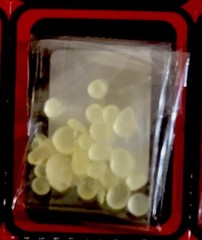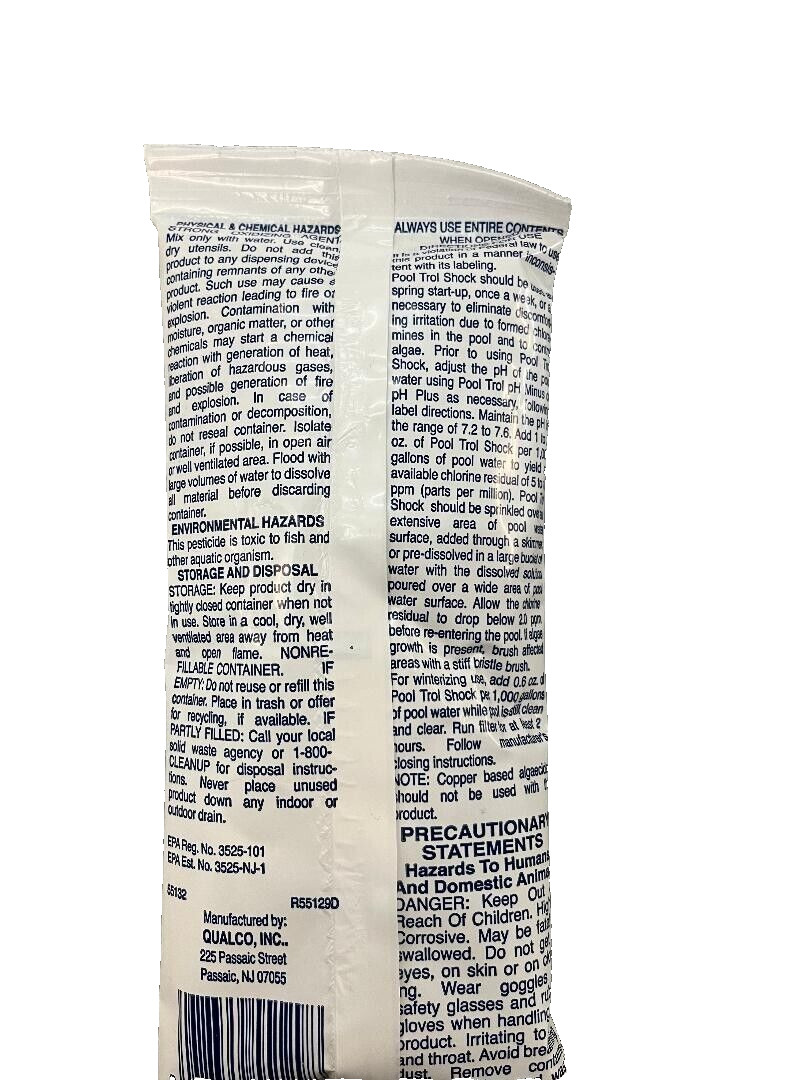
68% Calcium Hypochlorite Granular Swimming Pool Shock
Dilute in a Bucket of Water:Use a clean, plastic bucket or container that is not used for other household purposes.Fill the bucket with water (preferably from the pool or tap water).Add the appropriate amount of shock to the bucket.Stir the solution well to ensure that the shock dissolves completely.Once the shock is fully dissolved in the water, pour it slowly around the edges of the pool or directly into the deep end, while the pool pump and filter are running. This ensures the shock is evenly distributed throughout the pool.Considerations:Avoid Adding Shock Directly to the Pool: Never add undiluted shock directly to the pool. The concentrated chemical can bleach or damage the pool liner, tiles, or other surfaces.Proper Ventilation: When working with pool shock, always do so in a well-ventilated area. The fumes from pool shock can be irritating to the lungs, and you should avoid inhaling them.
Specifications
| All Returns Accepted | ReturnsNotAccepted |
| Brand | POOL-TROL |
| Type | Pool Shock |
| Test/Treatment Parameter | Algae |
| Form | Powder |
| EPA Registration Number | 3525-101 |
| Items Included | Full Instructions |
| Water Type | Fresh |
| Model | Dry Tec Shock |
| Product | Water Treatment |
| Suitable For | Swimming Pools |
Dilute in a Bucket of Water:Use a clean, plastic bucket or container that is not used for other household purposes.Fill the bucket with water (preferably from the pool or tap water).Add the appropriate amount of shock to the bucket.Stir the solution well to ensure that the shock dissolves completely.Once the shock is fully dissolved in the water, pour it slowly around the edges of the pool or directly into the deep end, while the pool pump and filter are running. This ensures the shock is evenly distributed throughout the pool.Considerations:Avoid Adding Shock Directly to the Pool: Never add undiluted shock directly to the pool. The concentrated chemical can bleach or damage the pool liner, tiles, or other surfaces.Proper Ventilation: When working with pool shock, always do so in a well-ventilated area. The fumes from pool shock can be irritating to the lungs, and you should avoid inhaling them.
Related Items