


Angled Luffa Seeds - Ridged Sponge Gourd Mướp Khía USA
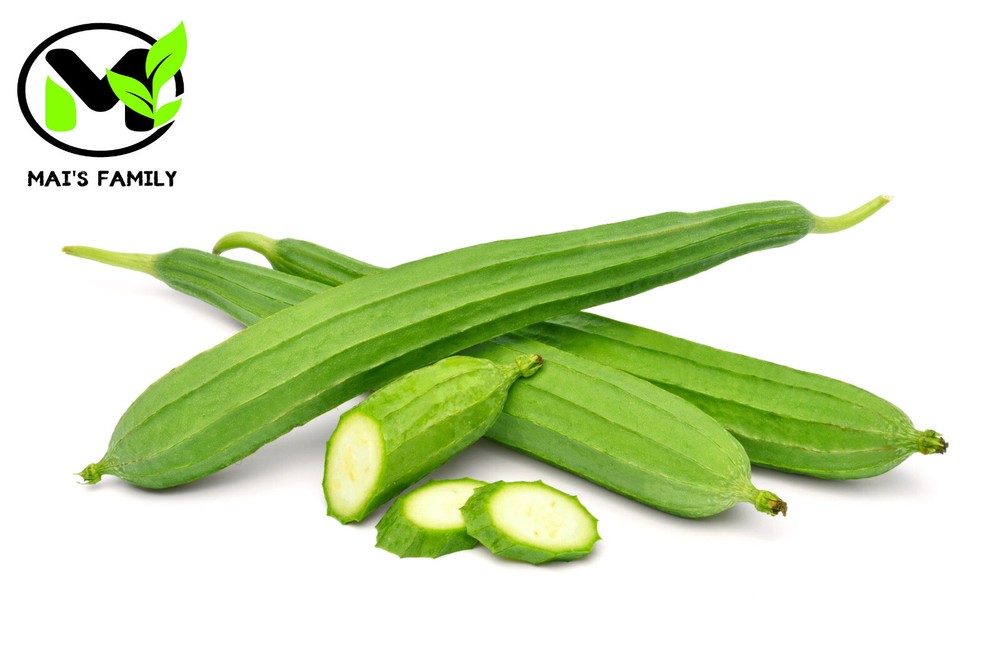
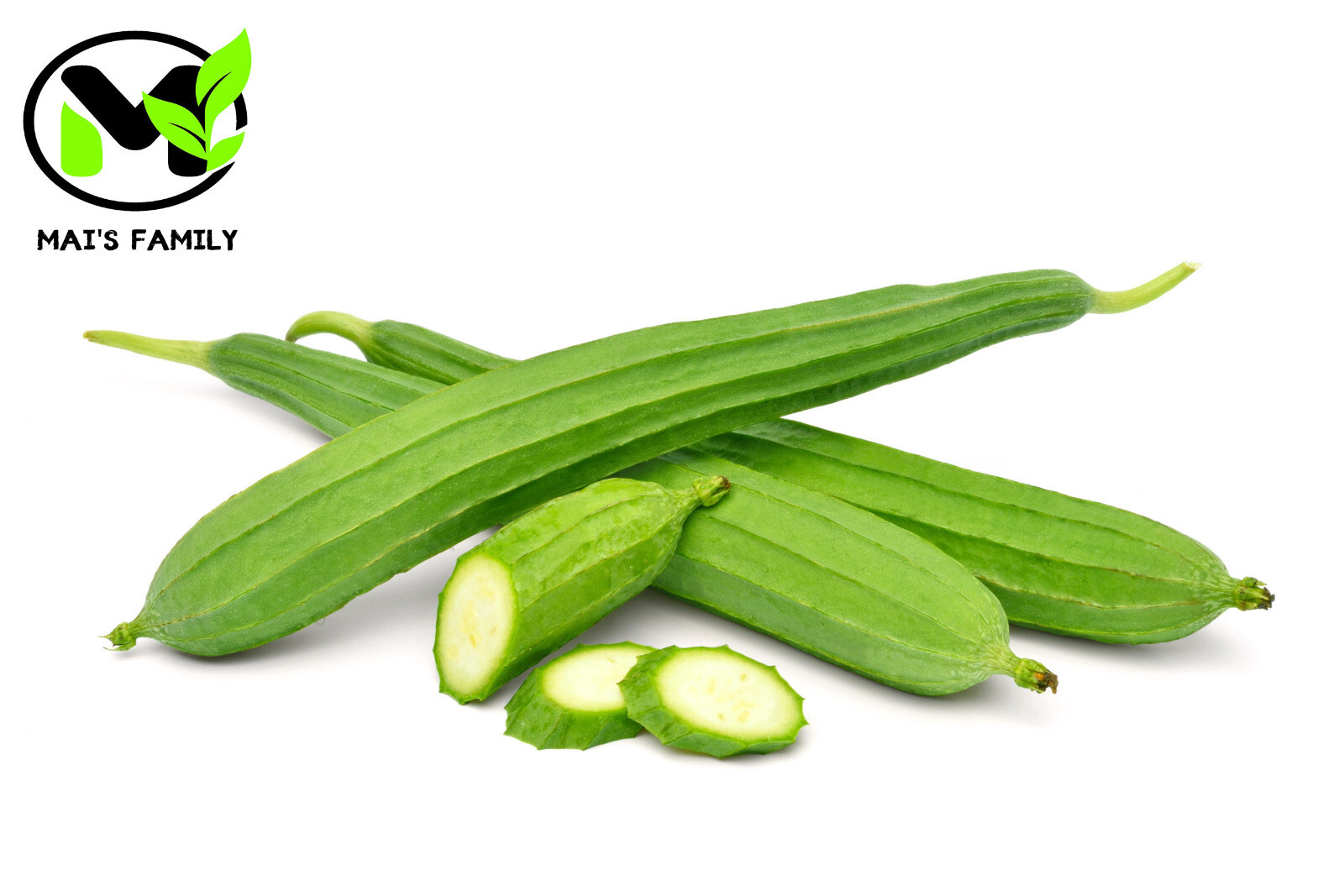
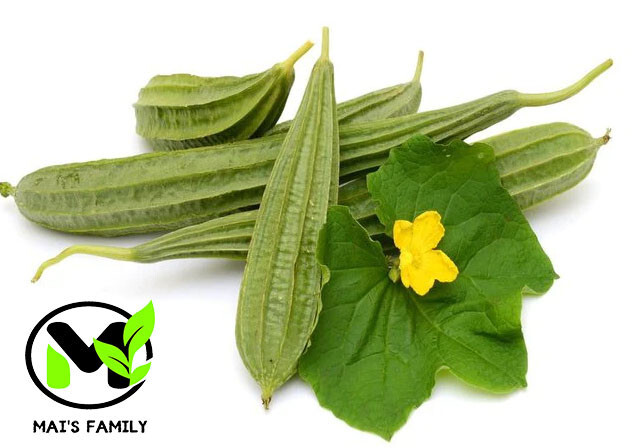
**Shipping Information:** 1. For orders under $15, we employ a mailing envelope (without a tracking number). The estimated delivery time is 5-15 days. If you desire a tracking number, you have the option to select either the $4.5 shipping for 3-5 days or the $60 expedited shipping service for 2-3 days during the checkout process. Your preference will ensure a smoother and more tailored delivery experience. 2. Orders exceeding $15 are dispatched via USPS Ground (3-5 days), providing a tracking number with no additional shipping fee. Angled Luffa Seeds Angled luffa, also known as ridged luffa or sponge gourd, is a tropical vine that produces long, ridged fruits commonly used as a vegetable in various cuisines. It belongs to the Cucurbitaceae family, the same family as cucumbers, melons, and pumpkins. Angled luffa is popular in Asian cooking, particularly in dishes from Southeast Asia and China. To grow angled luffa from seeds, follow these steps: Seed selection: Obtain high-quality seeds from a reputable supplier or save seeds from a mature luffa fruit. Make sure the seeds are mature and healthy. Germination: Start the seeds indoors about 3-4 weeks before the last frost date in your region. Plant the seeds about 1 inch deep in seed-starting trays or small pots filled with well-draining soil. Keep the soil consistently moist, but avoid overwatering. Place the containers in a warm location with temperatures around 75-85°F (24-29°C) to encourage germination. Transplanting: After the danger of frost has passed and the seedlings have developed a few sets of true leaves, they can be transplanted into the garden or larger containers. Choose a sunny location with well-draining soil. Soil preparation: Prior to transplanting, prepare the soil by incorporating organic matter such as compost or well-rotted manure. This will help improve the soil's fertility, drainage, and moisture retention. Spacing: Space the angled luffa plants about 3-4 feet apart, as they are vigorous climbers and need room to grow. Support structure: Provide a sturdy trellis, fence, or other support structure for the vines to climb on. Angled luffa plants can grow quite tall, so ensure the support is strong enough to handle their weight. Watering: Keep the soil evenly moist throughout the growing season. Avoid excessive watering, as luffa plants are susceptible to root rot. Fertilization: Apply a balanced fertilizer or compost every few weeks to provide the plants with essential nutrients. Follow the manufacturer's instructions for application rates. Pollination: Angled luffa plants rely on pollinators, such as bees, to transfer pollen between male and female flowers. Ensure a healthy population of pollinators in your garden to increase fruit set. Harvesting: The fruits of angled luffa are typically harvested when they are still young and tender. They should be harvested before they become fully mature and develop a tough, fibrous interior. The ideal size for harvesting is around 12-18 inches (30-45 cm) long. By following these guidelines, you should be able to grow angled luffa successfully from seeds. Enjoy the process and the delicious vegetables your plants will produce!
Specifications
| Return Shipping Will Be Paid By | Buyer |
| All Returns Accepted | Returns Accepted |
| Item Must Be Returned Within | 14 Days |
| Refund Will Be Given As | Money Back |
| Planting Time | 5 Weeks |
| Common Name | Gourd |
| Indoor/Outdoor | Outdoor |
| Color | Green |
| Growth Habit | Climbing |
| Brand | Mai's Family |
| Season Of Interest | Fall |
| Soil PH | Neutral |
| Type | Vegetable Seeds |
| Life Cycle | Annual |
| Watering | Medium |
| Genus | Luffa |
| Sunlight | Full Sun |
| Features | Fast Growing |
| Cultivating Difficulty | Very Easy |
| Country/Region Of Manufacture | United States |
**Shipping Information:** 1. For orders under $15, we employ a mailing envelope (without a tracking number). The estimated delivery time is 5-15 days. If you desire a tracking number, you have the option to select either the $4.5 shipping for 3-5 days or the $60 expedited shipping service for 2-3 days during the checkout process. Your preference will ensure a smoother and more tailored delivery experience. 2. Orders exceeding $15 are dispatched via USPS Ground (3-5 days), providing a tracking number with no additional shipping fee. Angled Luffa Seeds Angled luffa, also known as ridged luffa or sponge gourd, is a tropical vine that produces long, ridged fruits commonly used as a vegetable in various cuisines. It belongs to the Cucurbitaceae family, the same family as cucumbers, melons, and pumpkins. Angled luffa is popular in Asian cooking, particularly in dishes from Southeast Asia and China. To grow angled luffa from seeds, follow these steps: Seed selection: Obtain high-quality seeds from a reputable supplier or save seeds from a mature luffa fruit. Make sure the seeds are mature and healthy. Germination: Start the seeds indoors about 3-4 weeks before the last frost date in your region. Plant the seeds about 1 inch deep in seed-starting trays or small pots filled with well-draining soil. Keep the soil consistently moist, but avoid overwatering. Place the containers in a warm location with temperatures around 75-85°F (24-29°C) to encourage germination. Transplanting: After the danger of frost has passed and the seedlings have developed a few sets of true leaves, they can be transplanted into the garden or larger containers. Choose a sunny location with well-draining soil. Soil preparation: Prior to transplanting, prepare the soil by incorporating organic matter such as compost or well-rotted manure. This will help improve the soil's fertility, drainage, and moisture retention. Spacing: Space the angled luffa plants about 3-4 feet apart, as they are vigorous climbers and need room to grow. Support structure: Provide a sturdy trellis, fence, or other support structure for the vines to climb on. Angled luffa plants can grow quite tall, so ensure the support is strong enough to handle their weight. Watering: Keep the soil evenly moist throughout the growing season. Avoid excessive watering, as luffa plants are susceptible to root rot. Fertilization: Apply a balanced fertilizer or compost every few weeks to provide the plants with essential nutrients. Follow the manufacturer's instructions for application rates. Pollination: Angled luffa plants rely on pollinators, such as bees, to transfer pollen between male and female flowers. Ensure a healthy population of pollinators in your garden to increase fruit set. Harvesting: The fruits of angled luffa are typically harvested when they are still young and tender. They should be harvested before they become fully mature and develop a tough, fibrous interior. The ideal size for harvesting is around 12-18 inches (30-45 cm) long. By following these guidelines, you should be able to grow angled luffa successfully from seeds. Enjoy the process and the delicious vegetables your plants will produce!
Related Items