Keystone Winter Pea Seed
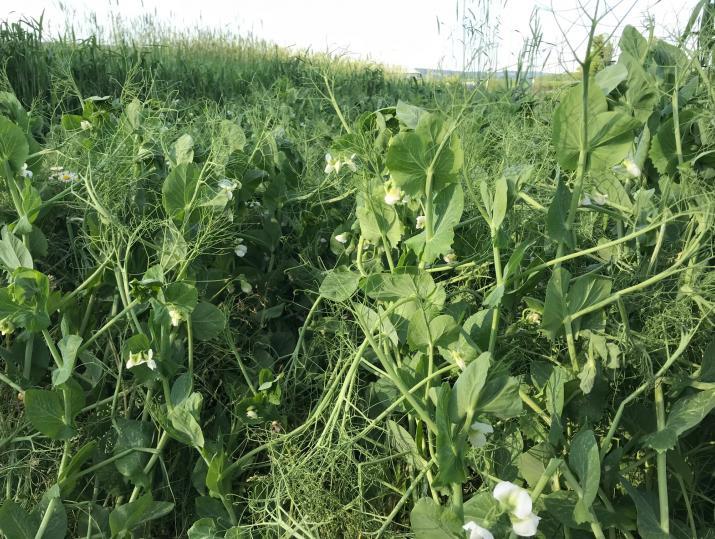
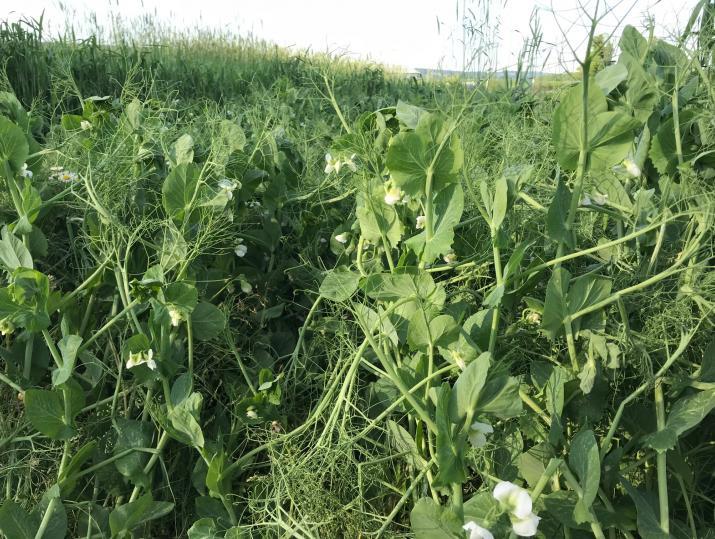
Keystone is a new tall semi-leafless white flowering winter pea with excellent standability and nutritional value. King's Agri Seeds has tested this pea for three years in Lancaster County, PA and it competes very well with winter annual weeds, as it has excellent early vigor in the fall growth and more spring growth than other peas that King's has tested. As a white flowered pea, Keystone does not contain anthocyanin, a mild anti-nutritional substance in the plant. So without the anthocyanin, the Keystone will have better palatability and slightly better digestibility than Austrian winter pea (a vining type with purple flowers). This is true for livestock and for wildlife. Inoculate with Pea/Vetch Inoculant for best growth and nitrogen fixation. They showcase better cold tolerance than other field peas and are frequently planted as a fall, nitrogen producing cover crop or within food plot mixtures for forage. Small grains are usually combined with the peas to support upright growth.
Specifications
| Return Shipping Will Be Paid By | Buyer |
| All Returns Accepted | Returns Accepted |
| Item Must Be Returned Within | 30 Days |
| Refund Will Be Given As | Money Back |
| Brand | Seed Ranch |
| Country/Region Of Manufacture | United States |
Keystone is a new tall semi-leafless white flowering winter pea with excellent standability and nutritional value. King's Agri Seeds has tested this pea for three years in Lancaster County, PA and it competes very well with winter annual weeds, as it has excellent early vigor in the fall growth and more spring growth than other peas that King's has tested. As a white flowered pea, Keystone does not contain anthocyanin, a mild anti-nutritional substance in the plant. So without the anthocyanin, the Keystone will have better palatability and slightly better digestibility than Austrian winter pea (a vining type with purple flowers). This is true for livestock and for wildlife. Inoculate with Pea/Vetch Inoculant for best growth and nitrogen fixation. They showcase better cold tolerance than other field peas and are frequently planted as a fall, nitrogen producing cover crop or within food plot mixtures for forage. Small grains are usually combined with the peas to support upright growth.
Related Items


