

Lonicera caerulea var. edulis | Fly or Blue Honeysuckle | 10 Seeds
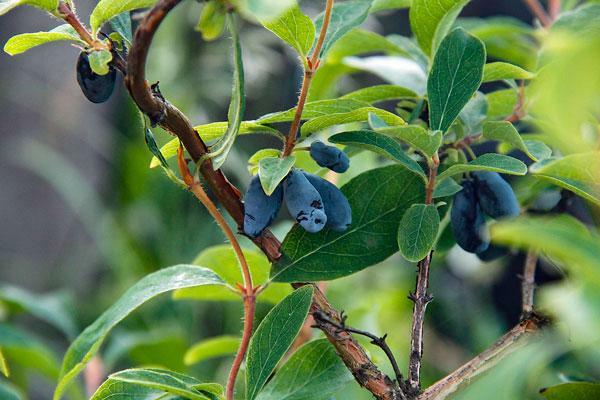
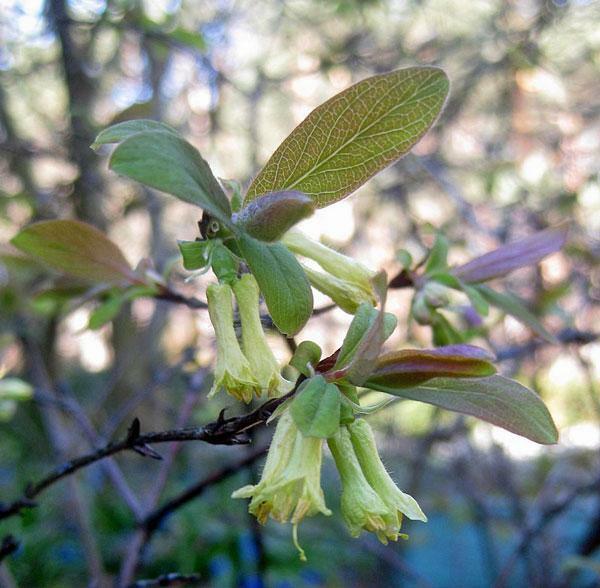
Lonicera caerulea is a deciduous shrub in the Caprifoliaceae family. A native to Asia, Europe, and North America. It is also called blue honeysuckle, sweet berry honeysuckle, fly honeysuckle, blue-berried honeysuckle, haskap, and honeyberry. The greyish-green leaves are slightly waxy. The flowers are a yellow-white color with 5 lobes and are produced in pairs. The edible fruits taste like blueberries a little. It is in bloom year-round in temperate climates. Shrubs are unisexual (not self-fertile). Compatible plants should be planted in pairs or groups in order for pollination and fruit set to occur. Many insects such as bees, birds, and butterflies will visit this one. It grows in most soil well-drained. Zones 2-8 Germination Mix seeds and moistened soil together in a ziplock bag. Write the name on the bag. Place in the refrigerator for 60 days. Soak seeds for 12 hours. Sow seeds into a well-drained, sandy compost and cover seeds to their own depth with sand or grit. Place the seed tray in bright light and keep moist. Seeds may germinate slowly.
Specifications
| Return Shipping Will Be Paid By | Seller |
| All Returns Accepted | Returns Accepted |
| Item Must Be Returned Within | 30 Days |
| Brand | Unbranded |
| Season Of Interest | Fall |
| Type | Perennial |
| Watering | Medium |
| Common Name | Honeysuckle |
| Indoor/Outdoor | Indoor & Outdoor |
| Color | Blue |
| Sunlight | Full Sun |
| Features | Flowering |
| Soil Type | Peat |
Lonicera caerulea is a deciduous shrub in the Caprifoliaceae family. A native to Asia, Europe, and North America. It is also called blue honeysuckle, sweet berry honeysuckle, fly honeysuckle, blue-berried honeysuckle, haskap, and honeyberry. The greyish-green leaves are slightly waxy. The flowers are a yellow-white color with 5 lobes and are produced in pairs. The edible fruits taste like blueberries a little. It is in bloom year-round in temperate climates. Shrubs are unisexual (not self-fertile). Compatible plants should be planted in pairs or groups in order for pollination and fruit set to occur. Many insects such as bees, birds, and butterflies will visit this one. It grows in most soil well-drained. Zones 2-8 Germination Mix seeds and moistened soil together in a ziplock bag. Write the name on the bag. Place in the refrigerator for 60 days. Soak seeds for 12 hours. Sow seeds into a well-drained, sandy compost and cover seeds to their own depth with sand or grit. Place the seed tray in bright light and keep moist. Seeds may germinate slowly.
Related Items