

Royal Fern | Bare-root
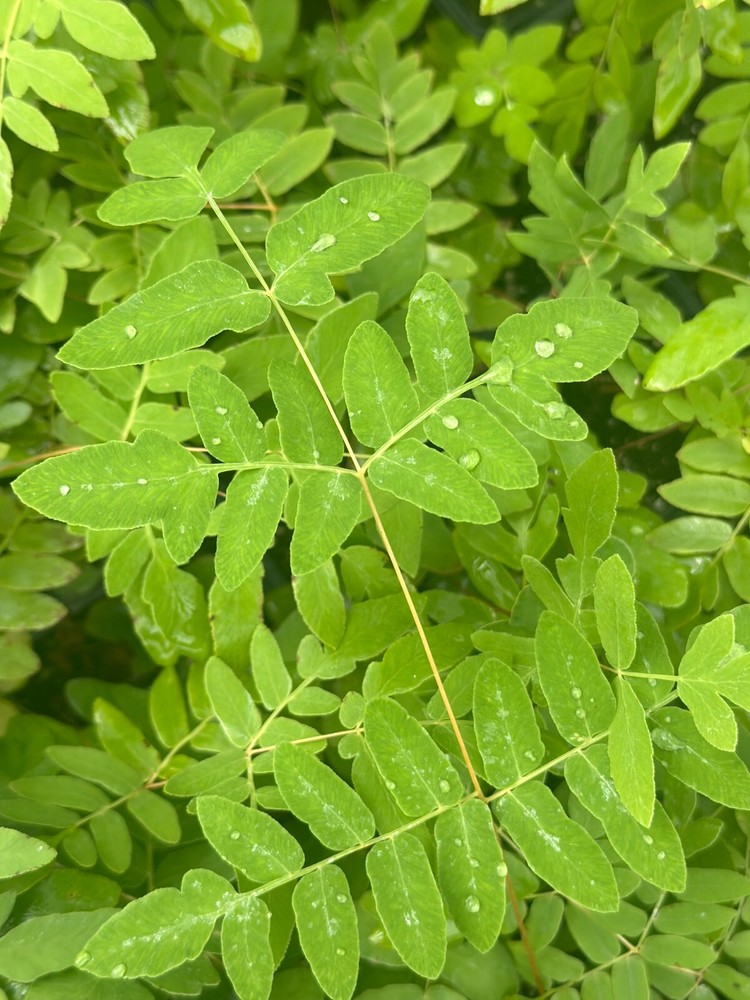
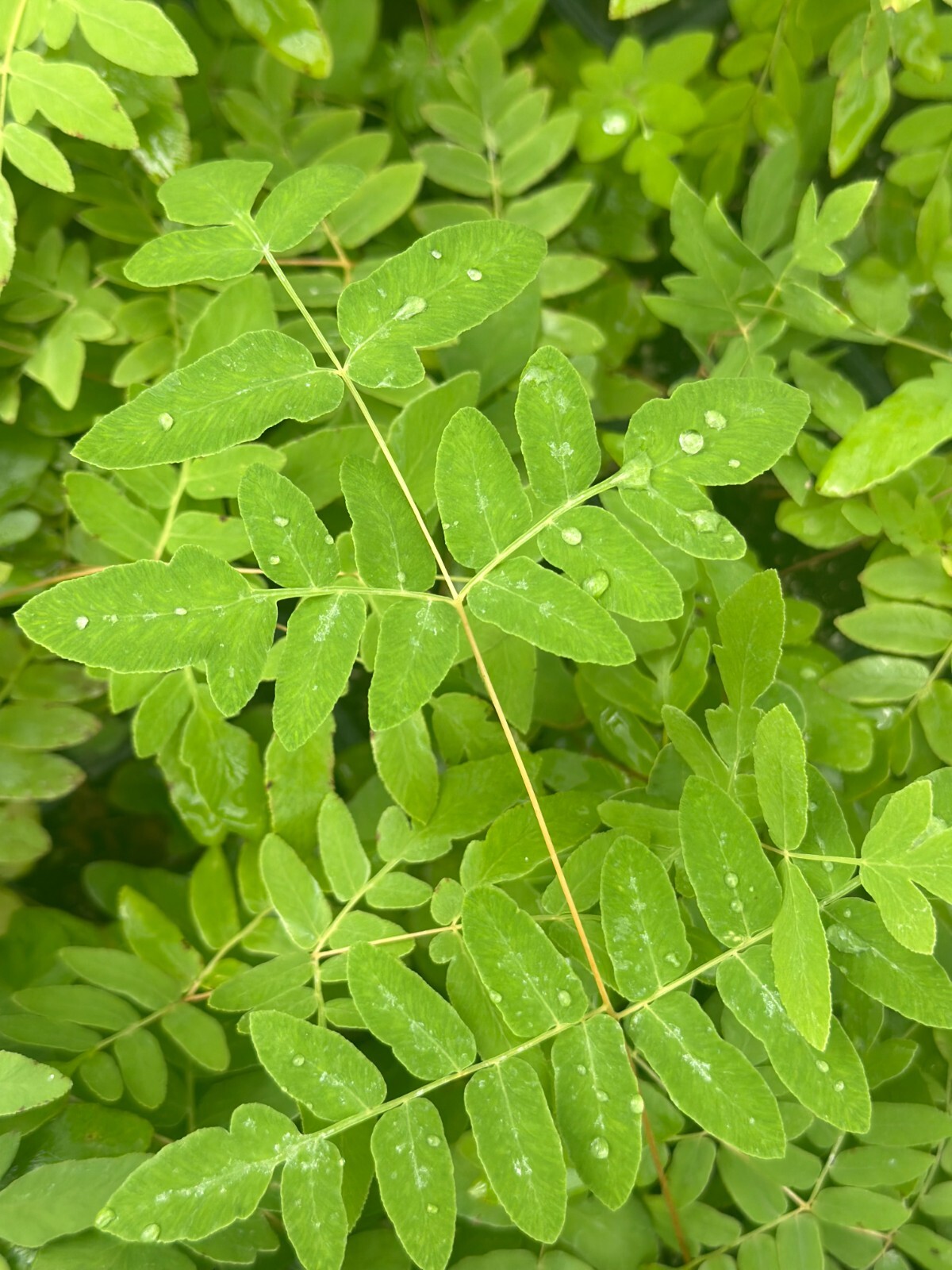
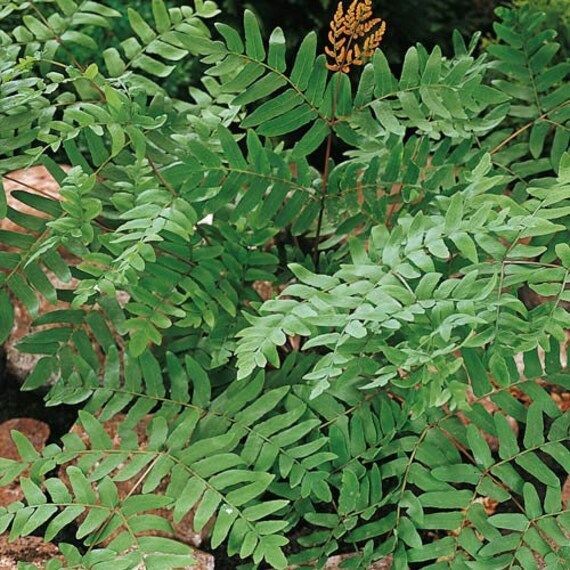
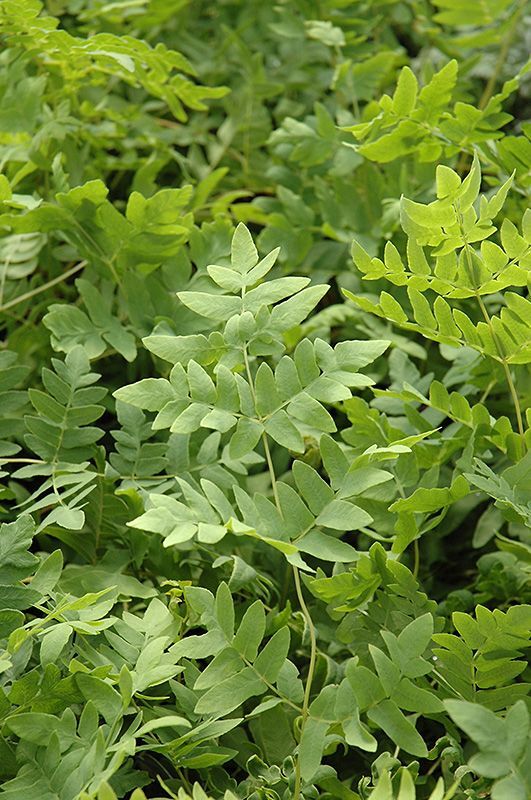
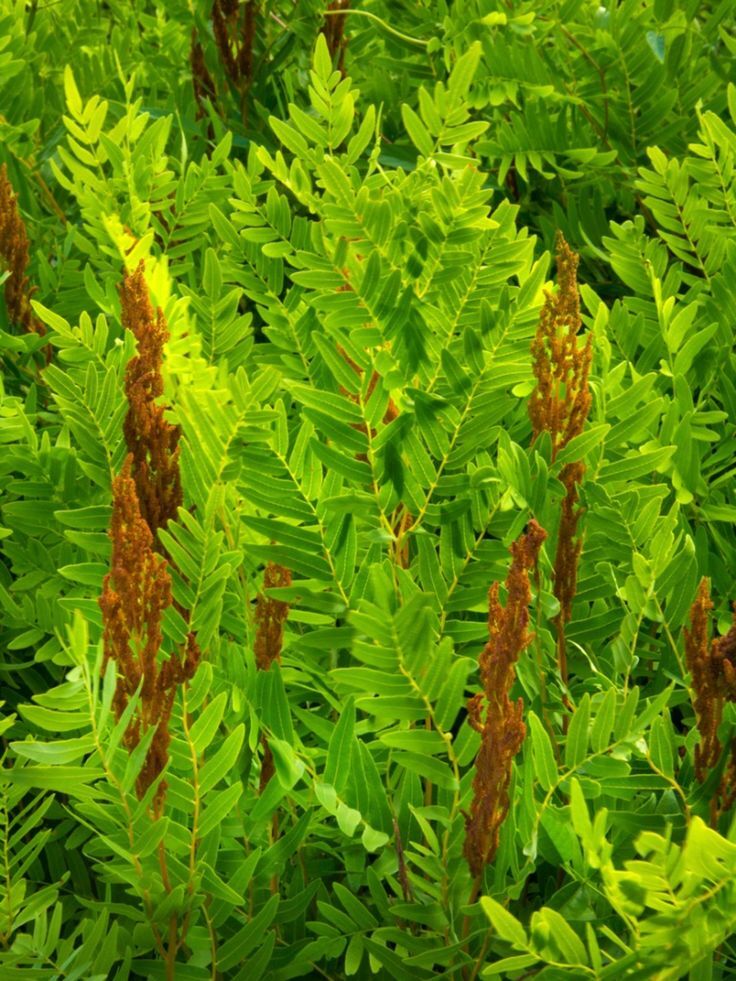
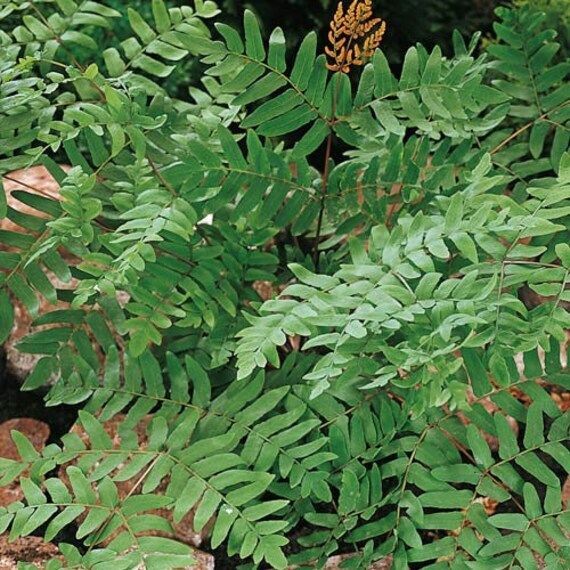
The origin of the family name (Osmundaceae) is unclear. The most popular theory is that it was originally derived from the name Osmunder – the Saxon name for the Norse god Thor, who (according to legend) hid his family from danger in a clump of these ferns.The species name regalis is from the Latin, meaning "royal" or "regal." The variety name (spectabilis) is Latin for "noteworthy" or "remarkable."The common name (Royal Fern) is apparently a reference to the "crown" of fertile leaflets which appear at the top of the fertile fronds. Other common names for this fern include Flowering Fern, American Royal Fern, Regal Fern, and King FernRoyal Fern (Osmunda regalis var. spectabilis) is a tall, deciduous fern with fertile fronds crowned by clusters of rusty-colored spores. It grows on stream banks and in swamps, marshes, fens, and other wetlands in the Adirondack Mountains of upstate New York.
Specifications
| All Returns Accepted | ReturnsNotAccepted |
| Climate | Sub-tropical |
| Common Name | Royal Fern |
| Color | Brown |
| Indoor/Outdoor | Outdoor |
| Soil Type | Peat |
| Brand | Unbranded |
| Plant Form | Bare Root |
| Season Of Interest | Fall |
| Type | Ferns |
| Growth Stage | Vegetative |
| Watering | Heavy |
| Genus | Osmunda |
| Sunlight | Full Shade |
| Features | Deciduous |
The origin of the family name (Osmundaceae) is unclear. The most popular theory is that it was originally derived from the name Osmunder – the Saxon name for the Norse god Thor, who (according to legend) hid his family from danger in a clump of these ferns.The species name regalis is from the Latin, meaning "royal" or "regal." The variety name (spectabilis) is Latin for "noteworthy" or "remarkable."The common name (Royal Fern) is apparently a reference to the "crown" of fertile leaflets which appear at the top of the fertile fronds. Other common names for this fern include Flowering Fern, American Royal Fern, Regal Fern, and King FernRoyal Fern (Osmunda regalis var. spectabilis) is a tall, deciduous fern with fertile fronds crowned by clusters of rusty-colored spores. It grows on stream banks and in swamps, marshes, fens, and other wetlands in the Adirondack Mountains of upstate New York.
Related Items


