


Trillium Mixed ( Trillium erect) | Bulbs
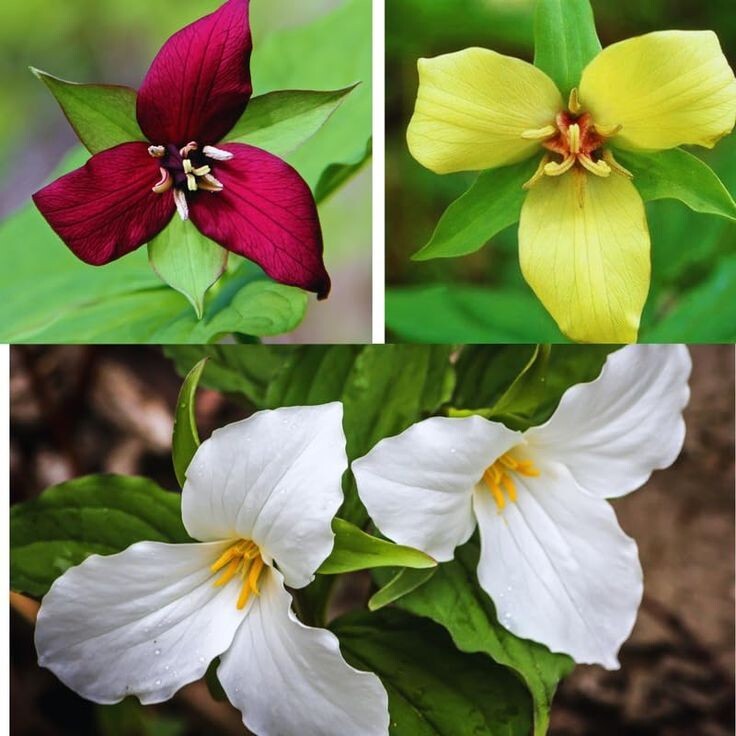
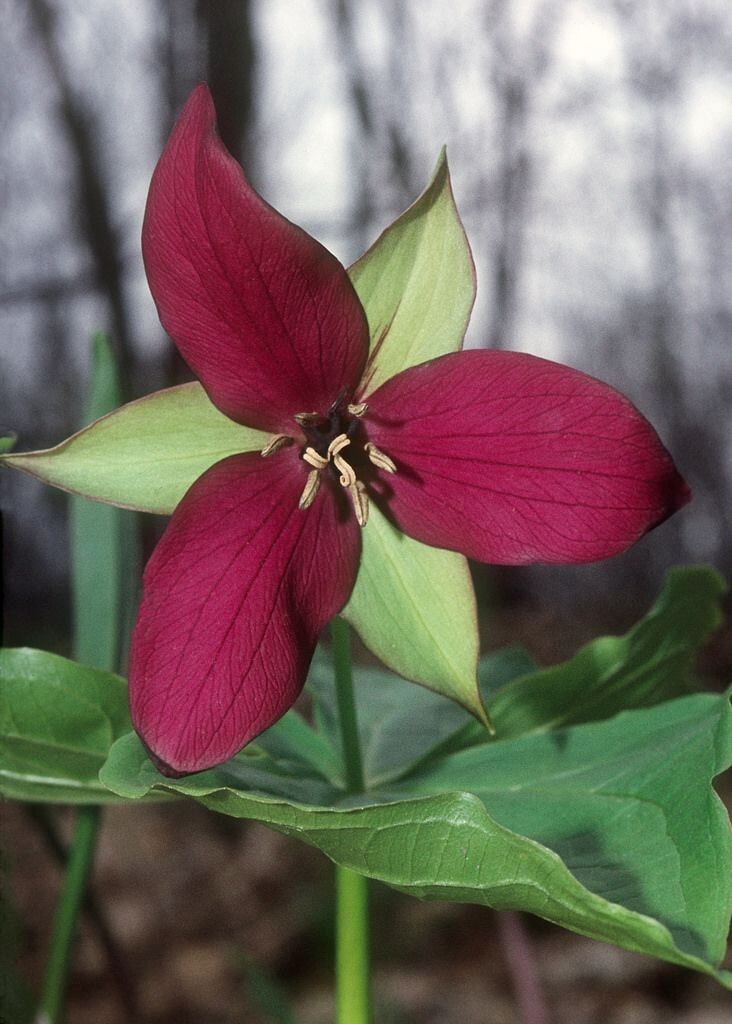
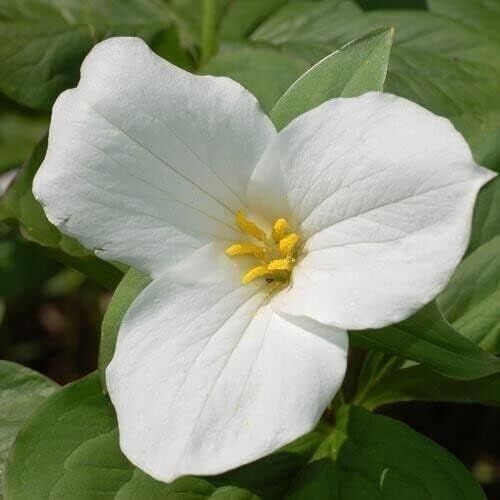
trillium is an herbaceous perennial wildflower native to North America. It is a member of the trillium family (Melanthiaceae). It tends to occur in drier habitats and is typically found on acid soils, in open dry or rich mesic woods, within laurel and rhododendron thickets at mid to high elevations. The species epithet means erect.The three-petaled flower is often red to maroon with yellow anthers but can also be pinkish, greenish or yellow. The white-flowered variant is recognized as T. erectum var. album. It occurs on a recurved stem above the large green bracts that can be up to 7 inches long. The flower does not produce nectar, but its fetid odor attracts pollinators such as flies, beetles and fungus gnats. Host plant for larvae of black-patched clepsis moth (Clepsis melaleucanus) and American angle shades moth (Euplexia benesimilis).
Specifications
| All Returns Accepted | ReturnsNotAccepted |
| Brand | Unbranded |
| Season Of Interest | Spring |
| Type | Bulbs |
| Climate | Temperate |
| Life Cycle | Perennial |
| Color | Red |
| Sunlight | Partial Shade |
| Plant Characteristic | Flowering (Flower Bulb) |
| Features | Flowering |
trillium is an herbaceous perennial wildflower native to North America. It is a member of the trillium family (Melanthiaceae). It tends to occur in drier habitats and is typically found on acid soils, in open dry or rich mesic woods, within laurel and rhododendron thickets at mid to high elevations. The species epithet means erect.The three-petaled flower is often red to maroon with yellow anthers but can also be pinkish, greenish or yellow. The white-flowered variant is recognized as T. erectum var. album. It occurs on a recurved stem above the large green bracts that can be up to 7 inches long. The flower does not produce nectar, but its fetid odor attracts pollinators such as flies, beetles and fungus gnats. Host plant for larvae of black-patched clepsis moth (Clepsis melaleucanus) and American angle shades moth (Euplexia benesimilis).
Related Items


