

Vaccinium uliginosum | Alpine Blueberry | 10 Seeds
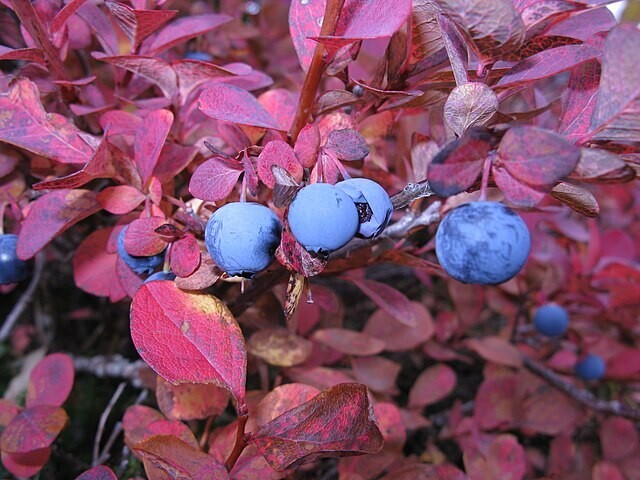
Vaccinium uliginosum, commonly known as the bog bilberry or alpine blueberry, is a low-growing, deciduous shrub native to cold, boggy regions of the Northern Hemisphere, including parts of North America, Europe, and Asia. Typically reaching heights of 1 to 2 feet, this plant features narrow, lance-shaped, dark green leaves that turn red or yellow in fall, offering vibrant seasonal color. In late spring to early summer, Vaccinium uliginosum produces small, bell-shaped flowers that are pale pink or white, which are followed by edible blue berries in late summer. The berries are smaller than those of cultivated blueberries but are packed with antioxidants and nutrients. The plant thrives in acidic, peaty, and moist soils, often growing in bogs, wetlands, or alpine meadows, where it prefers cool, moist conditions and partial to full sunlight. Vaccinium uliginosum is a hardy species, capable of withstanding frost and cold temperatures, making it a valuable addition to cold-climate gardens or for wild edible plant enthusiasts. Zones 3-7 Germination To germinate Vaccinium uliginosum seeds, it’s essential to mimic the natural conditions found in the plant’s native boggy and cold environments. Start by cold stratifying the seeds to break their dormancy. Place the seeds in a moist, sterile medium, such as sand or peat, and store them in a refrigerator at temperatures around 33-41°F (1-5°C) for 30-60 days. After stratification, prepare a well-draining acidic soil mix, such as a blend of peat and sand, to replicate the acidic, moist conditions of bogs. Sow the seeds on the surface of the soil, pressing them gently to ensure contact but not covering them, as they need light to germinate. Keep the soil consistently moist and place the seed tray in a cool, bright location with temperatures between 60-70°F (15-21°C). Germination can take anywhere from 4 to 12 weeks. Once seedlings are large enough to handle, transplant them into individual pots or a garden with acidic, moist, and well-draining soil, ideally in a location that receives partial to full sunlight. Vaccinium uliginosum is well-suited to wetland, bog, or alpine garden settings and thrives under cool, moist conditions once established.
Specifications
| Return Shipping Will Be Paid By | Buyer |
| All Returns Accepted | Returns Accepted |
| Item Must Be Returned Within | 30 Days |
| Refund Will Be Given As | Money Back |
| Climate | Highland |
| Planting Time | 8 Weeks |
| Common Name | Alpine Blueberry |
| Indoor/Outdoor | Indoor & Outdoor |
| Color | Blue |
| Growth Habit | Climbing |
| Soil Type | Clay |
| Brand | Unbranded |
| Season Of Interest | Fall |
| Soil PH | Neutral |
| Type | Fruit Seeds |
| Life Cycle | Perennial |
| Watering | Medium |
| Genus | Vaccinium |
| Sunlight | Full Sun |
| Features | Air Purifying |
| Cultivating Difficulty | Moderate |
| Country/Region Of Manufacture | United States |
Vaccinium uliginosum, commonly known as the bog bilberry or alpine blueberry, is a low-growing, deciduous shrub native to cold, boggy regions of the Northern Hemisphere, including parts of North America, Europe, and Asia. Typically reaching heights of 1 to 2 feet, this plant features narrow, lance-shaped, dark green leaves that turn red or yellow in fall, offering vibrant seasonal color. In late spring to early summer, Vaccinium uliginosum produces small, bell-shaped flowers that are pale pink or white, which are followed by edible blue berries in late summer. The berries are smaller than those of cultivated blueberries but are packed with antioxidants and nutrients. The plant thrives in acidic, peaty, and moist soils, often growing in bogs, wetlands, or alpine meadows, where it prefers cool, moist conditions and partial to full sunlight. Vaccinium uliginosum is a hardy species, capable of withstanding frost and cold temperatures, making it a valuable addition to cold-climate gardens or for wild edible plant enthusiasts. Zones 3-7 Germination To germinate Vaccinium uliginosum seeds, it’s essential to mimic the natural conditions found in the plant’s native boggy and cold environments. Start by cold stratifying the seeds to break their dormancy. Place the seeds in a moist, sterile medium, such as sand or peat, and store them in a refrigerator at temperatures around 33-41°F (1-5°C) for 30-60 days. After stratification, prepare a well-draining acidic soil mix, such as a blend of peat and sand, to replicate the acidic, moist conditions of bogs. Sow the seeds on the surface of the soil, pressing them gently to ensure contact but not covering them, as they need light to germinate. Keep the soil consistently moist and place the seed tray in a cool, bright location with temperatures between 60-70°F (15-21°C). Germination can take anywhere from 4 to 12 weeks. Once seedlings are large enough to handle, transplant them into individual pots or a garden with acidic, moist, and well-draining soil, ideally in a location that receives partial to full sunlight. Vaccinium uliginosum is well-suited to wetland, bog, or alpine garden settings and thrives under cool, moist conditions once established.
Related Items